Epoxy Resin for Carbon Fiber: Technical Insights and Engineering Applications
The demand for high-performance materials is pushing the global composite market towards a projected value of USD 130 billion by 2026. Central to this evolution is the integration of epoxy resin for carbon fiber, forming the backbone of advanced composite materials. This technical exploration will cover the material properties, crucial applications, and engineering considerations when sourcing and utilizing epoxy resin in carbon fiber composites. For over two decades, Impact Materials in Hangzhou, China has been at the forefront, providing solutions across more than 120 countries. Our expertise offers critical insights into navigating the complexities of composite material design.
Key Insights
- Epoxy resin significantly enhances the tensile strength of carbon fiber composites to approximately 700 MPa.
- Prepreg carbon fiber sheets enable streamlined manufacturing processes, particularly within the automotive industry.
- Vacuum bagging materials optimize resin distribution during the molding process.
- Sourcing high-quality materials from certified suppliers like Impact Materials is crucial to meeting performance standards.
Deciphering Epoxy Resin’s Role in Carbon Fiber Technology
Epoxy Resin Chemistry and Functionality
Epoxy resins, as thermosetting polymers, are derived from the reaction between epoxide resins and polyamine hardeners. In the realm of carbon fiber composites, epoxy acts as the binding matrix, offering both structural cohesion and efficient stress transfer. The low viscosity of epoxy facilitates superior wetting of carbon fibers, a critical component for achieving high-performance composites. For further details on technical specifications and sourcing, explore the full range.
Mechanical Properties and Performance Metrics
Epoxy resins are distinguished by their robust mechanical attributes, offering tensile strengths up to 700 MPa. Such properties are indispensable in aerospace and automotive fields. The high modulus of elasticity and thermal resistance to 150°C underscore their suitability for challenging environments, such as those encountered in wind energy applications.
Specific Industrial Applications
In the aerospace sector, epoxy resin is integral to carbon fiber-reinforced polymer (CFRP) components like fuselages and wing assemblies. Meanwhile, in automotive production, epoxy contributes to lightweight and structurally reinforced components, enhancing fuel efficiency and overall performance.
In-Depth Analysis of Epoxy Resin Applications in Carbon Fiber
Aerospace Engineering
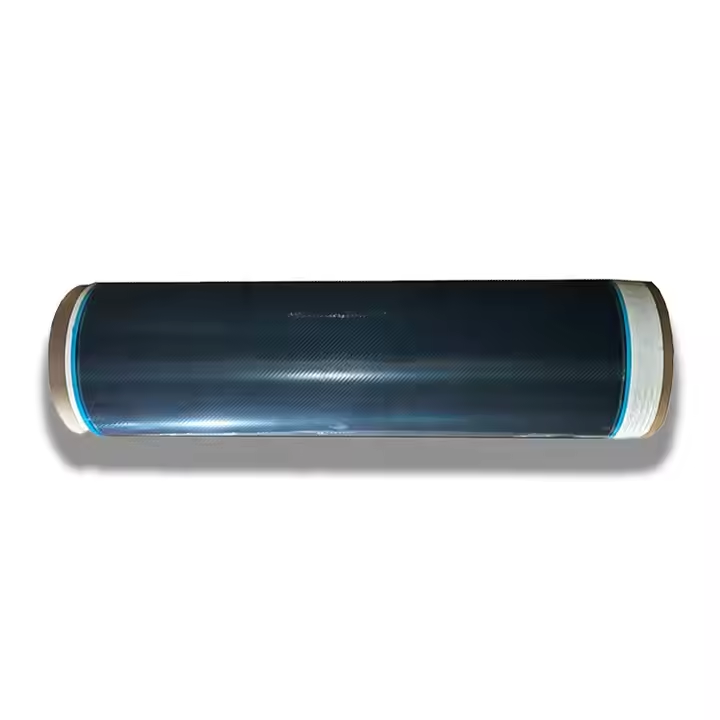
Epoxy resin is essential for the construction of lightweight aerospace components, including fuselage and wing skins. The material’s high tensile strength and fatigue resistance are paramount in these demanding applications. Our 3K Twill Carbon Fiber Fabric Epoxy Resin Prepreg ensures impeccable finishes that meet stringent aerospace requirements.
Automotive Engineering
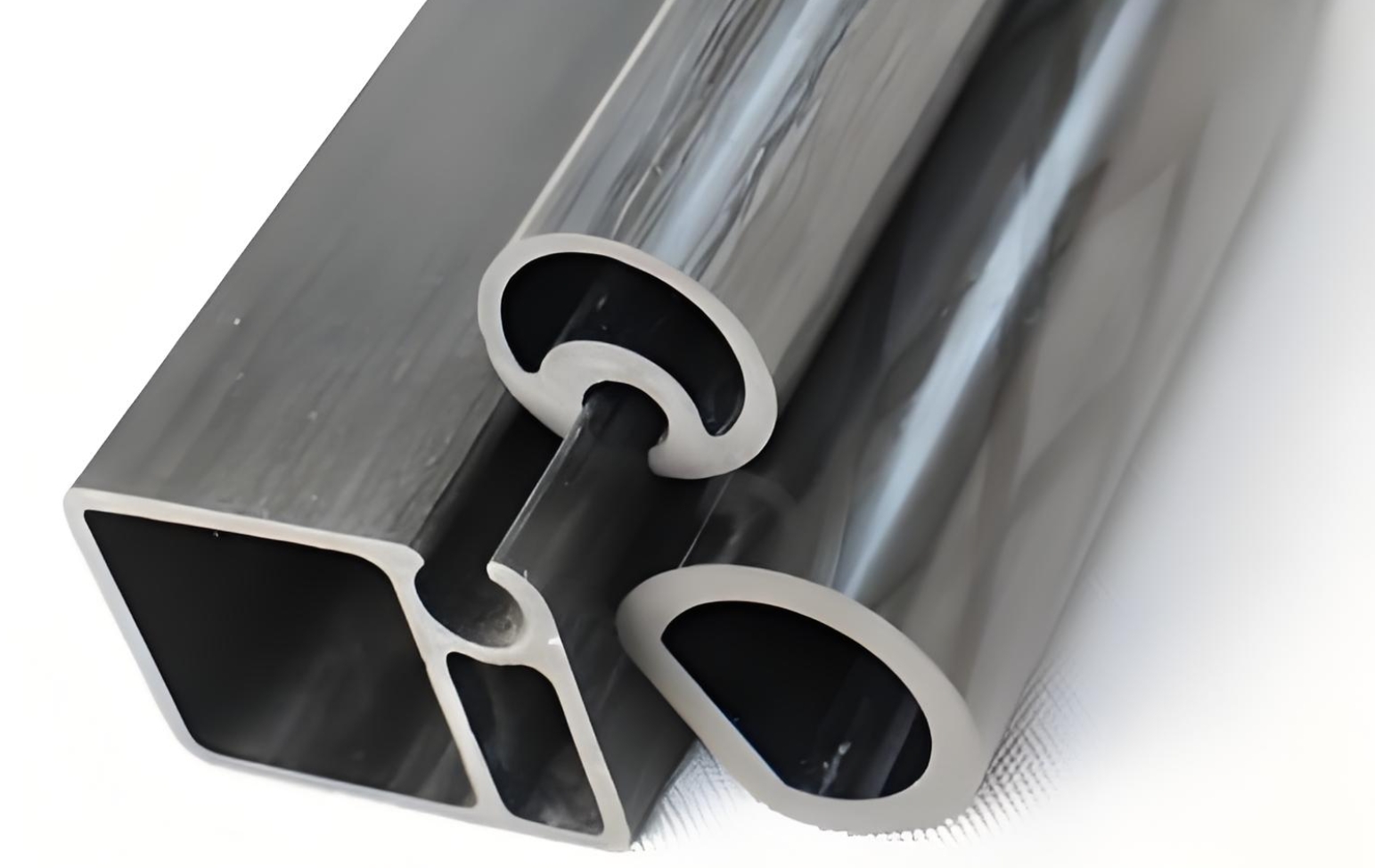
In the automotive industry, the durability and strength of epoxy resin are leveraged in body panels and structural elements. Utilizing Special Section Pultruded Carbon Fiber Rods enhances vehicle performance through reduced weight and maintained structural integrity.
Renewable Energy Solutions
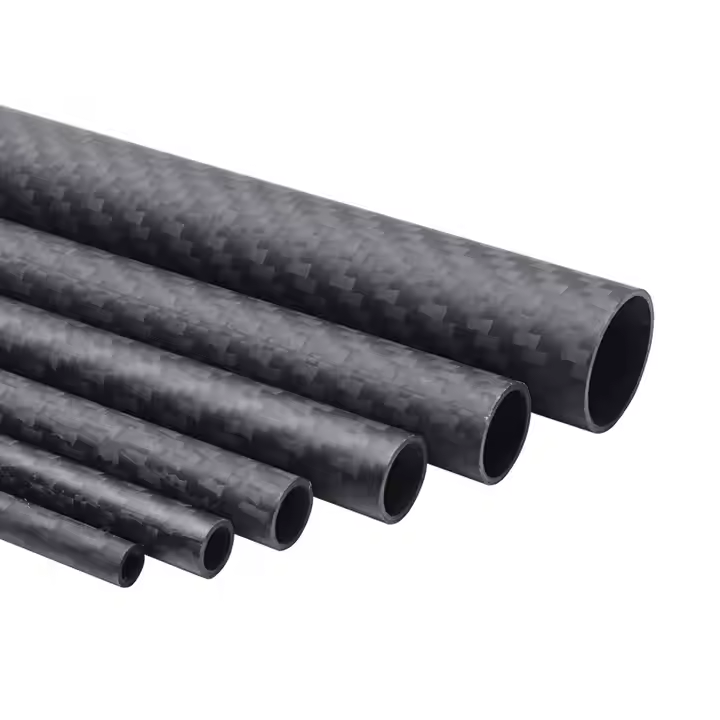
For wind turbine blades, materials must withstand dynamic stresses and extreme conditions. Epoxy resin is ideal due to its superior adhesion and environmental resilience. The Customized Round CFRP Carbon Fiber Tube offers design flexibility, crucial for optimizing blade efficiency.
Selected Epoxy Resin For Carbon Fiber Products
Explore our preferred epoxy resin products, trusted by manufacturers across more than 120 nations, at Impact Materials.
Technical Specifications and Compliance Standards
Mechanical Properties
- Tensile Strength: Approximately 700 MPa
- Modulus of Elasticity: Around 70 GPa
- Elongation at Break: 1.5-2.5%
- Fiber Volume Fraction: 60%
Adhering to ASTM D3039 standards, these properties confirm the material’s capability to endure substantial stresses, making it apt for high-load applications.
Regulatory Standards and Certifications
Ensuring compliance with standards like ISO 9001 and material-specific certifications is vital. For instance, ISO 14125 outlines testing methods for flexural properties in fiber-reinforced composites, guaranteeing quality and uniformity.
| Property | Epoxy Resin | Polyester Resin |
|---|---|---|
| Tensile Strength (MPa) | 700 | 500 |
| Modulus of Elasticity (GPa) | 70 | 45 |
| Thermal Stability (°C) | 150 | 100 |
| Elongation (%) | 2.0 | 2.5 |
Practical Considerations in Design and Testing
Design engineers must consider factors such as the resin’s curing characteristics, compatibility with fiber textiles, and the implications of environmental exposure. Rigorous testing against standardized benchmarks ensures that epoxy resin formulations meet the necessary performance metrics for each specific application.
In conclusion, the strategic integration of epoxy resin within carbon fiber composites presents a multitude of engineering advantages, tailored to meet the demands of diverse industrial applications. To learn more about purchasing options, buy epoxy resin for carbon fiber from reliable suppliers.
For those looking to optimize their use of epoxy resin in carbon fiber, visit Impact Materials for epoxy resin for carbon fiber solutions and leverage our expertise in composite materials.